Size is individual, give your consumers the freedom to choose
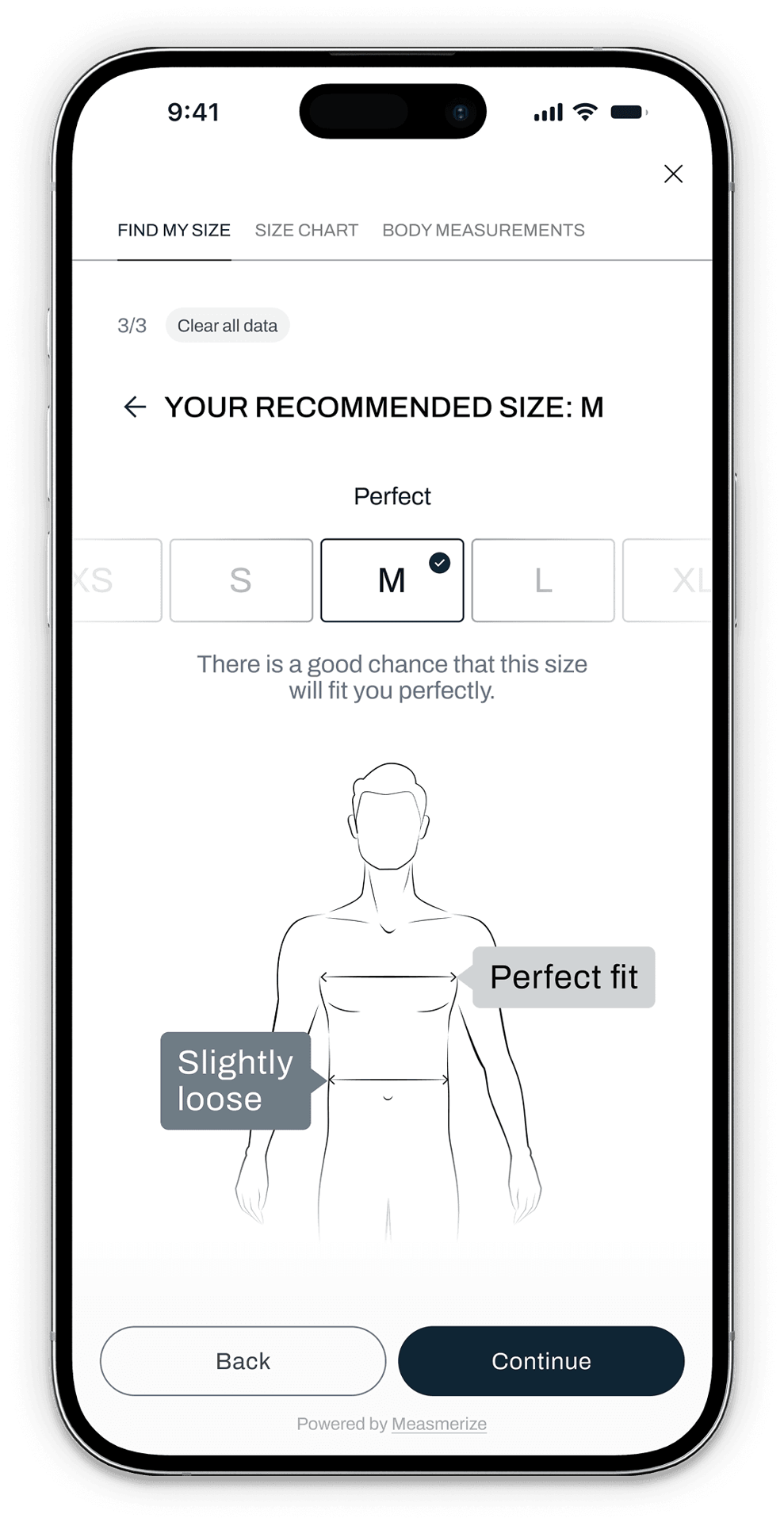
Measmerize recommends a size by comparing the shopper's body against the garment, not by guessing from what similar shoppers bought. A short questionnaire estimates the shopper's measurements and builds a Digital Twin. That is compared against the measurements of the specific product they are viewing, to find the size whose theoretic body most closely matches theirs. Machine Learning then refines the recommendation using sales and returns data as it accumulates. Because the first recommendation comes from measurements rather than purchase history, it is accurate from a product's first day online.

Our Size Hub satisfies everyone!
Different customers have different preferences when choosing a size.

Size Advisor, Size Advisor with body scan, Smart Size Chart
One integration & one source of data.

Accuracy across all solutions
User inputs + SKU information + our large datasets + AI

AI is not enough. We also use thoroughly vetted garment measurements
Relying solely on machine learning is like treating your garments as a black box.
Our algorithms are designed with a deep understanding of apparel product development and consumer body types.
Accurate from day 1, even with limited sales data.
How it works
-
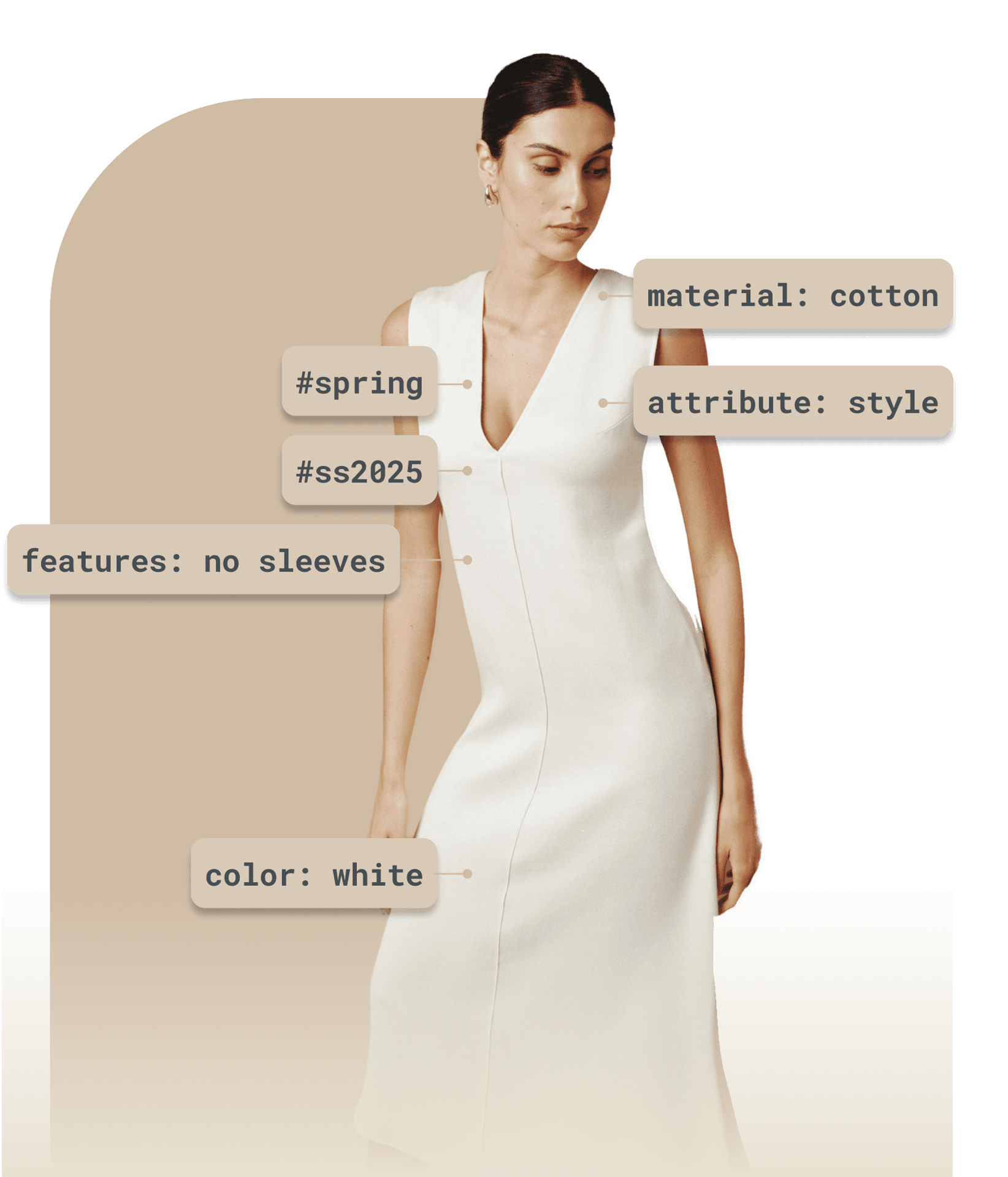
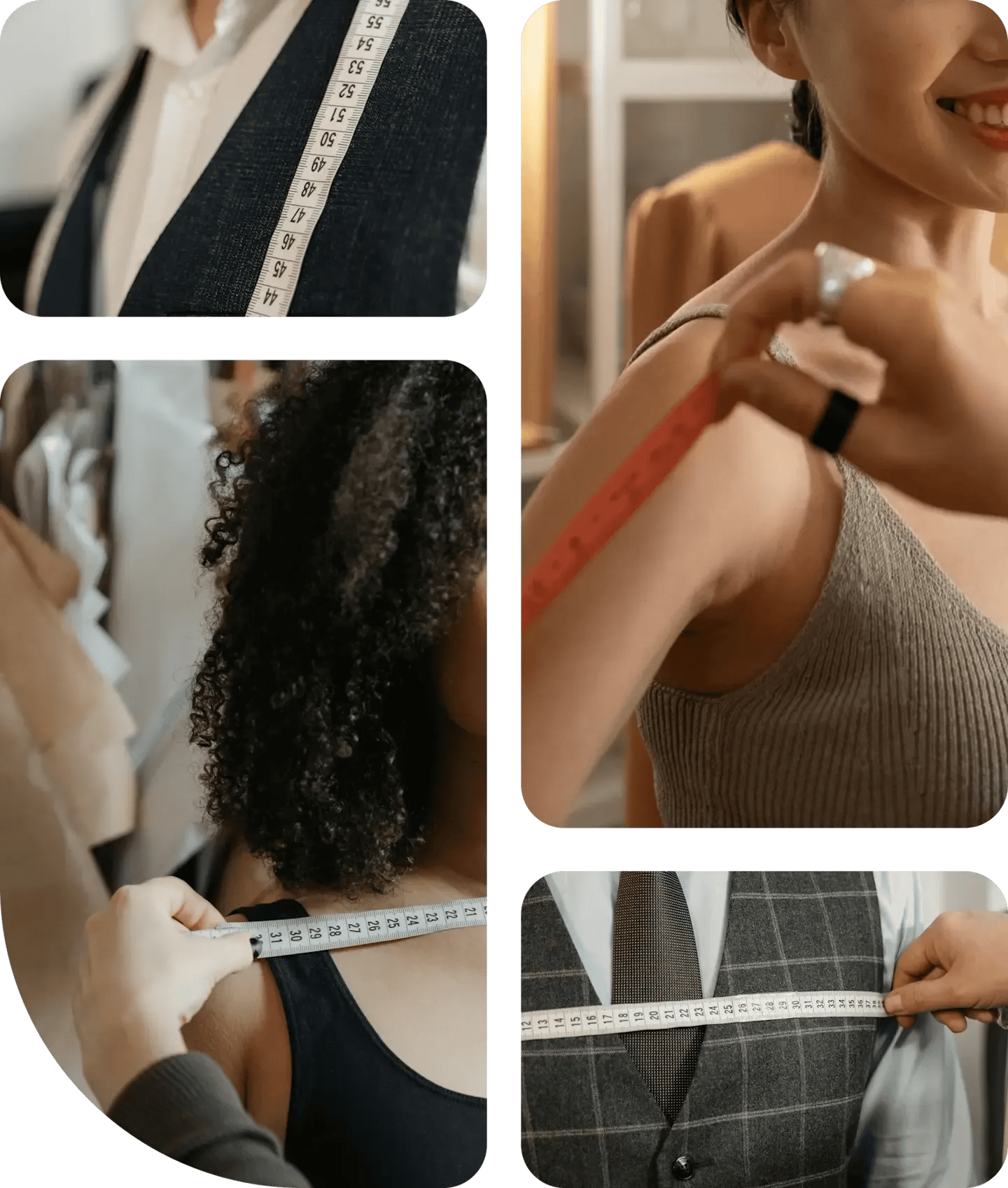
You supply garment data. Size charts, anthropometric measurements, or product measurements from a tech pack. Any format. Measmerize verifies it against proprietary benchmarks and, on Enterprise, physical try-ons.
-
The shopper answers a short questionnaire. For apparel: gender, age, weight, height, and bra size for womenswear. For footwear: gender, country of origin, the first shoe size they would try in a boutique, and foot width. Under a minute, no camera required.
-
A Digital Twin is built. The answers become an estimated 3D model of the shopper's body.
-
The Digital Twin is matched against the garment. The system finds the size whose theoretic body, meaning the body that would fit that size of that garment perfectly, sits closest to the shopper's own measurements.
-
Machine Learning refines it over time. Sales and returns data feeds back into the algorithm. Each client runs on its own algorithm rather than a shared model.
Assortment information is essential, that's why we go the extra mile
Trust, but verify
We thoroughly analyze your product information using proprietary methods, benchmarks, and even physical try-ons
We adapt to you
We adapt to whatever product information you have available, regardless of its format or source.

Artificial Intelligence, without the black box
Our AI algorithms learn from real-world data and are continuously refined using sales, returns, and real-world tests.
Each client operates on a unique algorithm tailored to their needs. We don't believe in one-size-fits-all.
Boosted by

We satisfy every consumer, no matter how unique
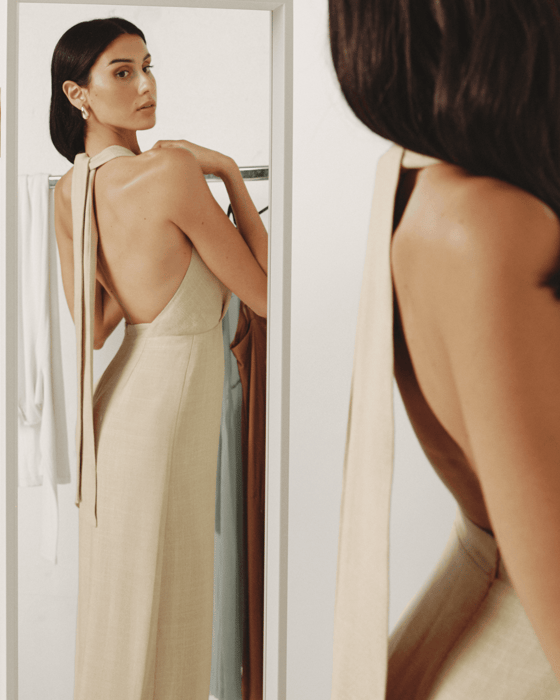
She, He, They. Everyone is included. Complete control over fit preferences.


Apparel
From underwear to outerwear, and everything in between.
Our data-driven system provides highly accurate apparel size suggestions recommendations.
Footwear
Ensure perfect shoe fit with our innovative category-based size recommendation system.
Kids and Toddlers, our fit finder tool provides high precision for growing kids.
Kids and Toddlers
Accurately size children's clothing is a pain due to rapid growth.
With our advanced size advisor, shoppers can both get size recommendations and a lifetime estimate.
Help your customers buy more and return less by solving online sizing once and for all
Get in touch to learn how Measmerize can support your business needs
FAQ
There are two fundamentally different methods, and the difference shows up on new products. One method clusters shoppers by demographic and behavioral signals, then recommends the size that similar shoppers bought and kept. It needs no data about the garment, which makes it easy to deploy, and it has nothing to work from when a product is new. The other estimates the shopper's body measurements and compares them against the garment's measurements. That requires the retailer to supply garment data, and in exchange the first recommendation on a brand-new product is as accurate as the hundredth.
Garment information: a size chart, anthropometric measurements, or product measurements from a tech pack. Format is flexible, and Measmerize handles the upload and verification rather than asking you to normalize it first. As a nice-to-have we also leverage historical sales & returns data and other product attributes (intended fit, fabric, product category, …). Sales and returns data improves the recommendation over time once it is flowing, but the first recommendation does not wait for it.
Accurate from the first day a product is live, because the recommendation is derived from the garment's measurements rather than from what other shoppers did. The limitation is that accuracy depends on the quality of the garment data supplied. A single size chart covering an entire catalog cannot describe products that were developed to fit differently, so accuracy improves as charts become more granular. Measmerize verifies the inputs through its onboarding process, which includes physical try-ons.
That is what the Size Advisor does. Rather than a shopper emailing customer service to ask which size to order, the questionnaire on the product page collects what is needed and returns a recommendation immediately. Sizing questions account for 25 to 40% of fashion customer service inquiries at 5 to 10 minutes each, so moving them to the product page addresses both the cost and the sales lost when a shopper leaves rather than asking.
A Digital Twin is an estimated 3D model of a shopper's body, built from a short questionnaire rather than from a camera scan. It exists so the system has something concrete to compare against the garment. Without it, a recommendation engine can only infer fit from other shoppers' purchase outcomes, which cannot tell an individual shopper where a garment will be tight or loose on their particular proportions.
Yes, on the same integration, with a questionnaire adapted per category because the inputs that predict fit differ. Footwear asks for gender, country of origin, the first shoe size the shopper would try in a boutique, and foot width. Kidswear carries an additional problem the others do not: children outgrow sizes between purchases, so the recommendation covers both the current size and a growth estimate.